How to help your daughter start secondary school
A dad’s practical guide to helping your daughter start secondary school, from managing nerves and friendships to making day one feel smaller.
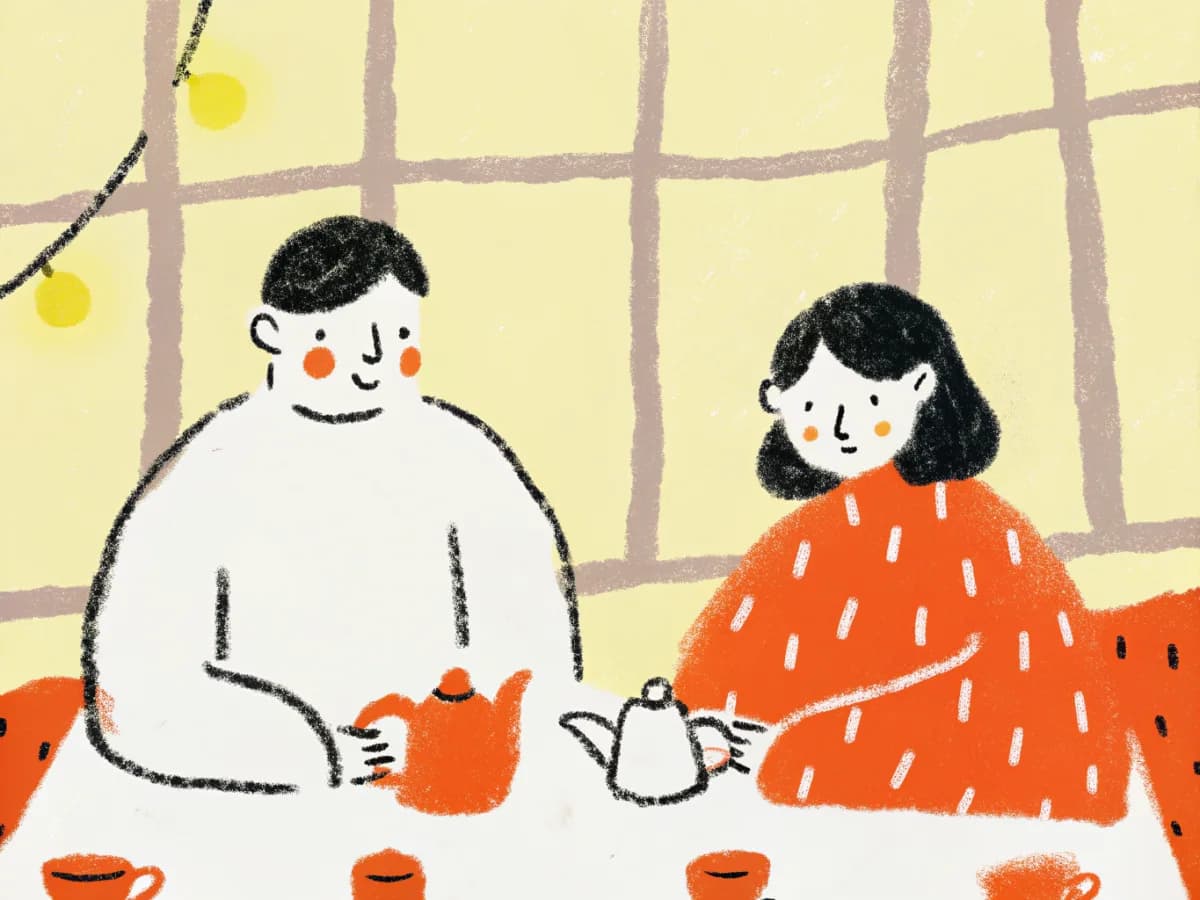
Most dads do not need a script for puberty. They need a way to start without making it feel like a formal summit meeting. The best conversations are usually ordinary, short and repeated: a question in the car, a chat while making tea, a quick “do you want to know what that means?” when something comes up on TV.
Your daughter does not need you to be an expert in every detail. She needs you to be unembarrassed, kind and easy to come back to.
Do not wait for the first period, a school lesson or a question you were not expecting. Bring up puberty in the same matter-of-fact way you would talk about growing out of shoes. You might say, “Your body is going to change quite a lot over the next few years. You can ask me anything, and if I do not know, we will find out together.”
That small permission matters. It tells her the subject is not off limits and gives her a low-pressure way back in when she is ready.
The NHS says puberty commonly starts between ages 8 and 14. Bodies do not all follow the same calendar, so avoid comparing her development with friends or siblings. If signs begin before age 8, or have not started by age 15, the NHS recommends speaking to a GP; its early or delayed puberty guidance explains what to look for.
Children take their cue from us. If you lower your voice, laugh nervously or swap every word for a silly code, it can make a normal subject feel shameful. Use the words she hears at school and in health information: puberty, breasts, periods, vulva, vagina, hormones, body hair. If you are unsure how to say something, say that too. “I want to get this right, so let’s check a reliable source together” is a strong answer.
Keep the first conversation simple. Puberty can include growth spurts, skin changes, body hair, breast development, mood changes and periods. She does not need the entire topic delivered in one sitting. Offer a bit, pause, and let her decide what she wants next.
Periods are one part of puberty, not a topic to hand off because you feel out of your depth. Know where the products are, make sure she can ask you to buy them without it being a big deal, and ask how she would like you to handle reminders or supplies.
Our practical guide to talking to your daughter about periods covers pads, period pants, school bags and what to say when the first one arrives. Reading it first is a good way to make the supermarket aisle feel less like unfamiliar territory.
School, friends, older siblings and the internet may already have filled in some gaps, accurately or not. Try: “What have they told you about puberty at school?” or “Is there anything that sounds confusing?” That lets you correct a myth without turning the chat into a lecture.
It also helps to be clear about the emotional bit. Feeling self-conscious, more private, irritable or unsure of herself can be part of growing up, but she should never feel she has to handle a worry alone. You can say, “You do not have to be cheerful with me. I just want to know how it is going.”
Set up a small, unremarkable kit together: spare underwear, a change of leggings or tights, period products she is comfortable using, wipes if she wants them, and a little pouch for her school bag. Let her choose rather than guessing. It gives her control and means a normal body event does not become a public emergency.
Privacy matters too. Knock before entering her room. Do not share her personal news with relatives, group chats or social media without asking. Those habits tell her that her body and story belong to her.
You do not have to force a big chat. Make the door visible instead. A question on a walk may get “nope”; that is fine. Try again another time. The key line is: “Nothing you ask me will get you in trouble or make me think differently of you.”
When she does ask, thank her for asking. Answer what she actually asked, not the next ten things you are worried about. If you need help, use reputable health information or suggest another trusted adult, school nurse or GP. A daughter can have more than one safe person; that is a strength, not a replacement for you.
Speak to a GP if you are concerned that puberty is starting unusually early or late, or if your daughter has symptoms that worry her. The NHS advises asking for medical help if puberty signs start before age 8 or have not begun by age 15. For an immediate health concern, use local urgent-care advice rather than relying on an article.
Do not push for a full conversation. Tell her you are available, leave useful supplies where she can reach them, and offer other trusted adults or school health support. Keep the subject normal in everyday life so she knows she can come back when she is ready.
Puberty is a long stretch of change, not one conversation you can get exactly right. Keep it ordinary, truthful and kind. Being the dad who can buy the products, use the right words, respect privacy and stay calm when a question lands is more valuable than delivering a flawless talk.
Found this useful? We hand-pick indie brands for girl dads, and run our own little shop.
Keep reading
 Guides
A dad’s practical guide to helping your daughter start secondary school, from managing nerves and friendships to making day one feel smaller.
 Guides
What your daughter needs from you changes with her age. A stage-by-stage guide from toddler to teenager, and the one thing that never changes.
 Guides
Being the dad your daughter confides in is built in the small moments. How to get her to open up, when to talk, and what not to do when she does.